

Stop Eating By Health Star Rating, Start Eating Real Food
Ancestral advice from me, Dave — a 300,000 year old caveman.

I've been eating food for a long time. It started off with ancestral basics: meats, bone broth, seasonal fruits and vegetables, and dairy. The way a happy caveman eats.
In this modern era — where I'm still getting used to supermarkets and having to wear shoes in public (ugh) — I've noticed how brothy bonkers the food has become. Health star ratings. Ingredients with numbers. Misleading food sources. Convenience over nutrition.
In my 300,000 years of living, I've never seen so many "high protein" and "low carb" slogans. Can someone tell me why there's an obsession to put protein in everything?
So I went hunter-gathering, as any good caveman does, flipping over the packet to see what's actually hiding in foods listed as "5 Health Star" or "Low Carb." I couldn't believe my bones with what I found.
I suffered gawking from many old ladies at the supermarket for this post, so I hope you find some ancestral wisdom in here.
Before I get into what I found, a bit of ancestral context for anyone who's never questioned the little stars on the front of a packet.
The Health Star Rating is a voluntary front-of-pack labelling system, rated from half a star up to 5. It scores a food using a baseline built from four things per 100g: energy (kilojoules), saturated fat, total sugars, and sodium. That baseline score then gets reduced by "modifying points" for protein, dietary fibre, and fruit, vegetable, nut or legume content — the more of those a food has, the more its star rating climbs, even if the baseline ingredients aren't exactly ancestral.
Here's the part that matters most: it's only designed to compare similar foods against each other — cereal to cereal, yoghurt to yoghurt — not cereal to yoghurt, and definitely not a protein bar to a handful of nuts. It also doesn't factor in how processed something is, what the ingredients actually are, or whether something's been reformulated purely to game the number. It's a nutrient calculator, not a health-o-meter. Once you know that, the rest of this post makes a lot more sense.

As someone who's been eating for centuries, this system doesn't make sense to me. A 19-plus ingredient bar earns a 5-star badge, while a bag of actual nuts doesn't carry a rating at all — nothing to game, nothing to boost, just nuts.
The investigation that exposed the Health Star Rating
I don't watch much TV — bad reception in the cave — but I caught Four Corners' food fraud exposé, and I nearly fell off my rock.
An ex-FSANZ (Food Standards Australia New Zealand) board member, Professor of Public Health Nutrition Mark Lawrence, said it plainly: "What we are seeing is that ultra-processed food manufacturers game the algorithm by adding those nutrients that give them a higher rating, so they will add things like fibre powder or a protein isolate." Chuck in some fibre powder or a protein isolate, and suddenly a sugar-filled cereal like Milo struts round with 4 stars like it hunted its own dinner.
Here's where it gets sneakier. Brands can legally swap real sugar for an artificial sweetener just to make the star number climb — it's not against the rules, it's just a trade-off most shoppers never see. And separately, sugar has plenty of aliases of its own: dextrose, rice malt syrup and glucose syrup are all still sugar, they just don't show up on the label wearing the word "sugar."
Don't even get me started on "High Protein," "Low Fat," "Low Carb" and "Low Sugar" foods. These get awarded a high health star rating too — but flip the pack over, and it's like learning a new language.
My findings (300,000 years old, zero food science degrees)
The Health Star Rating was never built to tell you what's actually healthy. It just compares one packet to the next packet on the same shelf. It doesn't care what's really in your food, or how many machines it went through to get there.
So naturally, I wanted to do some caveman investigating. I browsed the aisles of the supermarket to see what interesting (and questionable) ratings I could find. To keep it real, I looked at everyday household items we all buy — meat, dairy, cereals — comparing the health star rating within the same category, and how two products can wear the same number of stars with vastly different ingredient lists.
Here's what I dug up.
Breakfast cereal vs. rolled oats

-
4 STARS: Uncle Tobys Plus Antioxidants (cranberries + blueberries) — Whole grain wheat (47%), corn, fruit sweetened cranberries, sugar, humectant (glycerine), vegetable oil, blueberry fruit pieces, invert sugar, vegetable gum (pectin), lemon juice concentrate, wheat bran, oat or wheat fibre, malt extract (barley), vegetable oil, added vitamins and minerals.
-
5 STARS: Macro Organic Australian Rolled Oats — Organic wholegrain oats. That's it.
Seed oils, multiple sources of sugar, compared with wholegrain oats — yet the processed cereal still lands 4 stars. At least the ranking direction is right here; it's the cereal's ingredient list earning any stars at all that raises the eyebrow.
Sliced bread vs. rye wraps

-
5 STARS: Wonder Soft Wholemeal bread — Wholemeat wheat flour (29%), water, wheat flour, wheat gluten, yeast, modified tapioca starch, soy protein isolate, wheat fibre, vinegar, iodised salt, canola oil, cultured wheat flour, soy flour, vegetable emulsifiers (471, 472e, 481), added vitamins, processing aids.
-
4 STARS: Rye wraps — Rye wholemeal flour, wheat flour, filtered water, iodised salt.
A great example of a 5-star health rating not equalling clean ingredients.
Seed oil vs. extra virgin olive oil

-
4.5 STARS: Crisco 100% Pure Australian Canola Oil
-
3 STARS: 100% Extra Virgin Olive Oil
Seed oil ranking higher than extra virgin olive oil? Make that make sense.
Soy milk vs. full cream milk

-
5 STARS: Sanitarium So Good Soy Lite — Filtered water, soy protein (3.5%), corn maltodextrin, cane sugar, vegetable oils (sunflower, canola), acidity regulators, minerals, antioxidant (ascorbic acid), added vitamins, natural flavour.
-
4 STARS: Pura Original Full Cream Milk — Milk.
How does processed milk with seed oils, emulsifiers and processing agents rank higher than full cream milk?
Margarine-style spread vs. butter

-
4 STARS: Rama Buttery spread — Vegetable oils (including canola oil 41%), water, salt, emulsifiers (471, soy lecithin), preservative (202), acidity regulator (citric acid), natural flavour, added vitamins, natural colour (beta-carotene).
-
0.5 STARS: Australian Butter (salted) — Pasteurised cream (milk), salt.
I love butter, it goes on everything. I was shocked to see a "buttery" spread made with seed oils appearing to rank healthier than the real thing, going by the stars alone.
Crumbed chicken schnitzels vs. beef mince

-
4 STARS: Woolworths Classic Crumb Chicken Schnitzels — Free range chicken breast fillet (67%), crumb and batter coating (wheat flour, yeast, wheat gluten, natural colourants, ascorbic acid), chicken brine (water, sunflower oil, vinegar, salt, stabiliser, modified maize starch), palm oil (palm kernel oil, antioxidant TBHQ).
-
3.5 STARS: Macro Grass Fed Beef Mince — Beef mince (100%).
My go-to clean protein source, grass-fed beef mince, had a lower rating than processed chicken schnitzels.
Protein yoghurt vs. organic yoghurt

-
5 STARS: Farmers Union Greek Style High Protein Yoghurt — Milk solids, skim milk, water, cream, thickener (1442), natural flavour, vanilla bean (0.01%), acidity regulators, salt, natural sweetener (steviol glycosides), live yoghurt cultures.
-
NO RATING: Jalna BioDynamic Organic Whole Milk Yoghurt — Biodynamic organic whole milk, organic milk solids, live cultures.
I found many clean products didn't carry a food rating at all. My caveman instincts tell me whole, organic yoghurt should rank higher than one with added flavours and regulators — but without a rating on the pack, shoppers can't even make that comparison.
Protein bar vs. beef jerky-style stick

-
5 STARS: The Man Bar Chunky Choc — Protein blend (milk protein concentrate, soy protein isolate, whey protein isolate), soluble corn fibre, bulking agent (polydextrose), water, dark compound chocolate (sugar, vegetable fat, cocoa, whey powder), emulsifiers (soy lecithin, 492), salt, humectant (glycerol), sunflower oil, cocoa powder, desiccated coconut, soy crisps, chocolate flavour, processing aid.
-
NO RATING: Australian Organic Grass-Fed Beef stick — Australian organic grass-fed beef (94%), sea salt, honey (under 1%), black pepper, cultured Swiss chard powder, organic beetroot powder, acerola cherry juice powder, antioxidant (rosemary extract), culture, edible collagen casing.
If it has to have 20+ ingredients to make it 5-star, can it really be that good for you? I'm choosing a real source of protein every time.
So if the stars won't tell you, what will?
I'm not saying ignore the pack completely — I'm saying the stars are one input, not the answer. A few ancestral rules I'm sticking to at the shelf from now on:
-
Flip it over before you trust the front. The stars, the "high protein" banner, the "low carb" claim — they all live on the front of the pack for a reason. The ingredients list on the back is where the real story is.
-
Count the ingredients, not just the stars. A short list of things you recognise beats a long list of things you need a food science degree to pronounce, regardless of what number is stamped on the front.
-
Ask what's been added, and why. Fibre powder, protein isolate, and sweeteners aren't automatically villains, but when they're the difference between a low rating and a high one, it's worth knowing that's what's happening.
-
Don't assume "no rating" means "no good." Some of the cleanest single-ingredient foods I found — organic yoghurt, a grass-fed beef stick — don't carry a Health Star Rating at all. The system is voluntary, so it's entirely up to the brand whether to display it, regardless of how clean or processed the product is.
-
When in doubt, go back to basics. Meat, bone broth, vegetables, fruit, dairy. If my ancestors would recognise it as food, I'm comfortable calling it food.
Where that leaves me on the Health Star Rating
I'm 300,000 years old with zero food science degrees, but here's what I've worked out: the Health Star Rating compares one packet to the next on the same shelf. It doesn't care what's actually in your food, or how it got there.
Real butter — pasteurised cream and salt, nothing else — scored 0.5 stars. A spread built from seed oils, emulsifiers and preservatives scored 4. Grass-fed beef mince, 100% beef, scored lower than a crumbed chicken schnitzel wrapped in wheat flour, palm oil and stabilisers.
If that's what the stars call "healthier," they're asking the wrong questions. Skip the stars, read the ingredients, and let real food speak for itself.
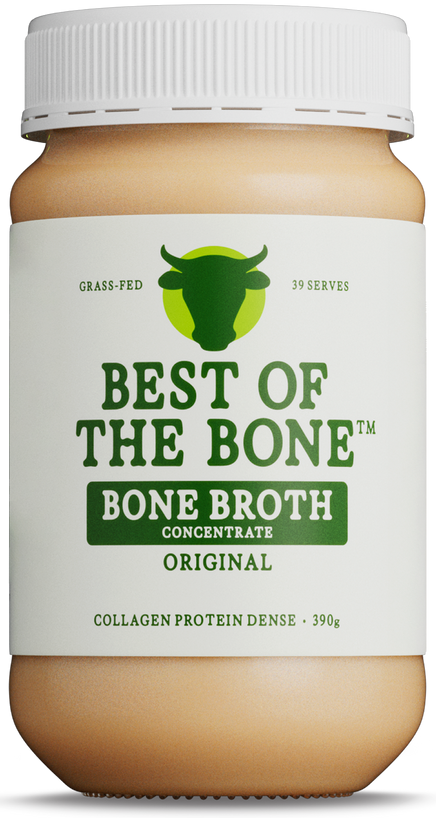
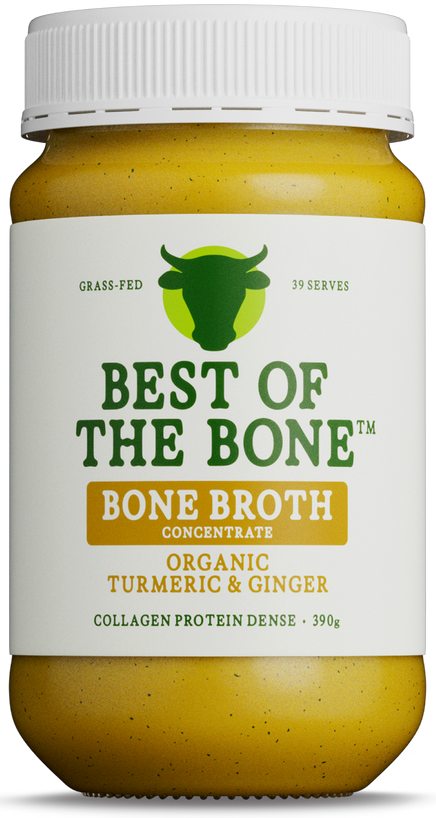
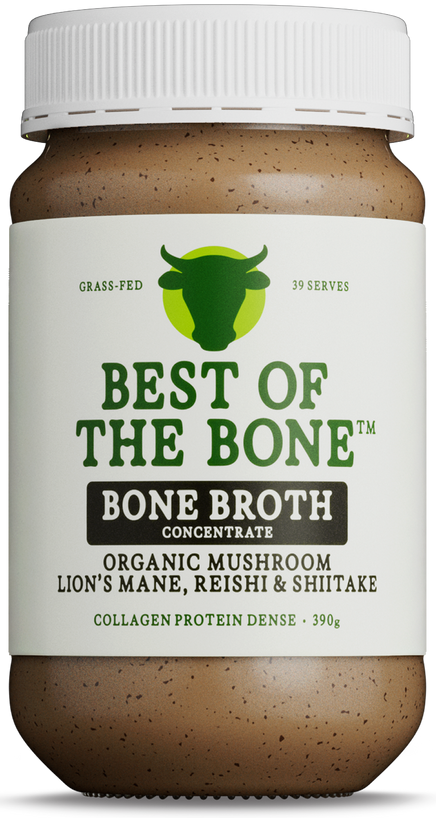
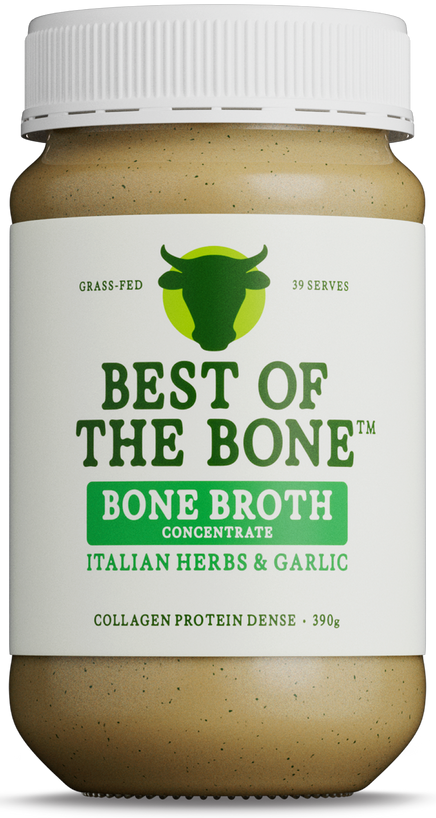
That's the whole reason I stick to a diet my ancestors would recognise — real meat, real bones, real vegetables, nothing that needs a fibre powder to earn its stars. A jar of Best of the Bone bone broth concentrate has exactly the ingredients you'd expect and nothing you wouldn't: bone broth, sea salt, and organic herbs and spices. No stars required.
Ancestral advice with Dave. No spreadsheets, no fibre powder, no funny business. Just real food.

FAQs about the Health Star Rating
What is the Health Star Rating? It's a voluntary front-of-pack labelling system used in Australia and New Zealand, rating packaged foods from half a star to 5 based on kilojoules, saturated fat, sugars, sodium, protein, fibre, and fruit/vegetable/nut/legume content.
Is the Health Star Rating accurate? It's accurate at doing what it was built for — comparing similar packaged foods against each other. It isn't designed to measure overall healthiness, whole-food quality, or how processed something is, which is why two very different products can land on the same star count.
Can food companies manipulate the Health Star Rating? According to an ex-FSANZ board member speaking as part of a Four Corners investigation, yes — manufacturers can add ingredients like fibre powder or protein isolate specifically to lift a product's score, without meaningfully changing how healthy it is.
Why don't some foods carry a Health Star Rating at all? Because the system is entirely voluntary. A brand can choose not to display a rating regardless of how clean or minimally processed its product is — which is why several of the whole-food products in this post, including organic yoghurt and a grass-fed beef stick, don't carry one.
Sources
-
Food industry insiders sound alarm over Australia's broken food labelling system — ABC News, Four Corners' "Duped: Food Exposed"
-
How ratings are calculated — Health Star Rating System (Australian Government)
-
Product ratings and ingredient lists as photographed in-store by Dave, current as of the original Instagram post
 Author