

Collagen: More Than Skin Deep
Collagen: More Than Skin Deep
When most people hear the word collagen, they immediately think of glowing skin, reduced wrinkles, and ‘beauty from within’. And while collagen certainly plays a role in skin health, limiting it to aesthetics dramatically underestimates its importance.
Collagen is not simply a cosmetic protein. It is the fundamental structural framework of the human body.
In fact, collagen is the most abundant protein in the body, accounting for approximately 30% of total protein mass. Everything white in anatomical illustrations, tendons, ligaments, fascia, cartilage, and much of bone, is largely collagen.
Remove collagen, and the body quite literally falls apart. This is why collagen deserves to be understood not as a beauty supplement, but as foundational whole-body support. When we return to ancestral eating patterns, bone broths, slow-cooked meats, skin-on cuts, marrow and cartilage, we re-establish a way of eating that naturally supports the body’s living architecture.
Collagen: The Body’s Structural Scaffold
Collagen functions as a biological scaffolding system. It provides tensile strength, elasticity, and structural integrity to tissues that need to withstand a lifetime of mechanical stress.
To put its significance into perspective:
- Bone matrix is approximately 90% collagen
- Skin is roughly 75% collagen
- Joint cartilage is around 70% collagen
- Ligaments and tendons are between 70–85% collagen
- Even muscle tissue contains collagen within its connective framework
This distribution reveals that collagen is a central component to the structure of the body.
In traditional diets, we regularly met our collagen needs because whole animals were eaten, not just lean muscle. Modern ultra-processed diets have largely removed these connective tissues, leaving many people consuming protein without the structural amino acids that help maintain connective strength.
There are many types of collagen in the body, but Types I and III form much of the primary structural network that supports whole-body resilience.
Type I Collagen: Strength and Structural Integrity
Type I collagen is the most abundant form in the body. It is found in bone, tendons, ligaments, fascia and skin. It provides tensile strength, the ability to withstand pulling, stretching and load.
In bone, collagen forms the flexible framework upon which minerals are deposited. Minerals provide hardness, but collagen provides resilience. Without collagen, bone would be rigid and brittle rather than strong and adaptable.
When collagen declines with age, bones lose flexibility, connective tissues stiffen, and recovery slows. Supporting Type I collagen is about preserving durability, the ability to remain strong under life’s mechanical stress.
Type III Collagen: Elastic Support and Joint Resilience
Type III collagen works alongside Type I, forming a flexible, elastic network within connective tissues. It is abundant in skin, blood vessels, fascia and the supportive structures that surround joints.
Type III is found within ligaments, tendons (alongside Type I), the joint capsule and the synovial membrane, as well as in the vascular structures that supply joint tissues. Through these locations, Type III supports structural elasticity and integrity, all of which are essential for maintaining healthy joint function.
Type III is also central to repair. In the early stages of tissue healing, it is laid down first as a provisional framework before being remodelled into stronger Type I fibres. This makes it especially important for recovery from strain, training and everyday wear and tear.
Skin: The Visible Expression
In the dermis, Types I and III collagen dominate. Type I provides structural firmness, while Type III contributes elasticity and suppleness. Collagen synthesis declines by approximately 1% per year after early adulthood, with environmental stressors such as UV exposure, smoking, oxidative stress and poor nutrition accelerating degradation.
As collagen density decreases, skin becomes thinner, elasticity declines and wrinkles form. Yet this is not merely aesthetic. The skin is the body’s largest organ and primary immune barrier. Collagen supports barrier integrity, wound repair and resilience against environmental stress.
Why Collagen Declines
Collagen production naturally decreases with age. This decline is influenced by rising oxidative stress, chronic low-grade inflammation, hormonal changes and glycation, the structural damage that occurs when excess glucose binds to proteins. Over time, these processes weaken the body’s connective architecture.
Modern lifestyles can accelerate this decline. Sedentary behaviour, ultra-processed diets, inadequate protein intake, excess sugar consumption and environmental stressors all place additional strain on connective tissue biology.
Because Types I and III collagen form the primary structural network of bone, fascia, skin, ligaments, tendons and vascular tissues, their gradual deterioration has widespread consequences. When these foundational collagens weaken, the body’s strength, elasticity and resilience decline together, affecting mobility, recovery and long-term structural integrity.
Supporting Collagen: Diet, Exercise and Structural Nutrition
Maintaining collagen health requires a whole-body approach that integrates diet, movement and metabolic resilience. Adequate total protein intake provides the essential amino acids needed to support connective tissue turnover, while vitamin C is indispensable for collagen synthesis and structural cross-linking. Key minerals such as zinc and copper act as enzymatic cofactors, enabling the biochemical processes that stabilise and strengthen collagen fibres.
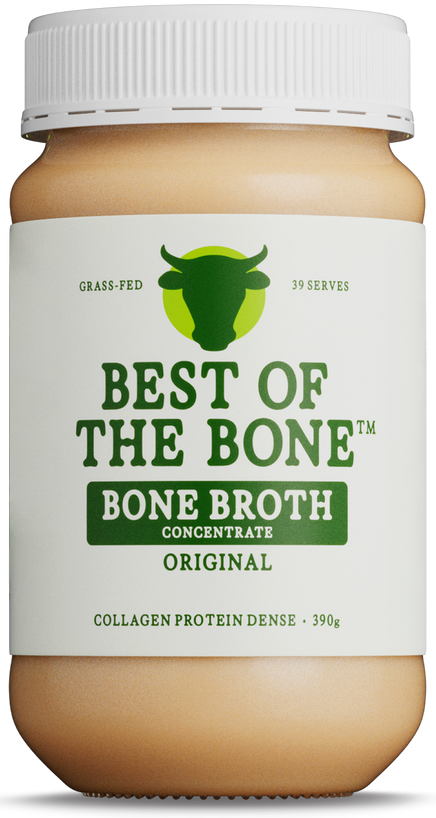
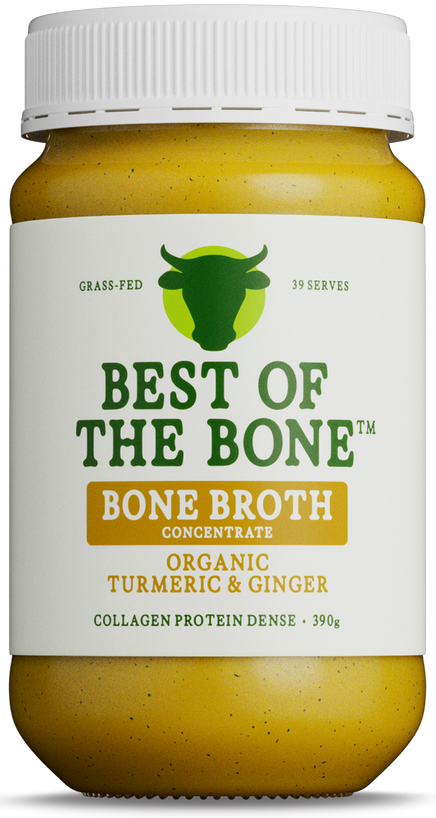
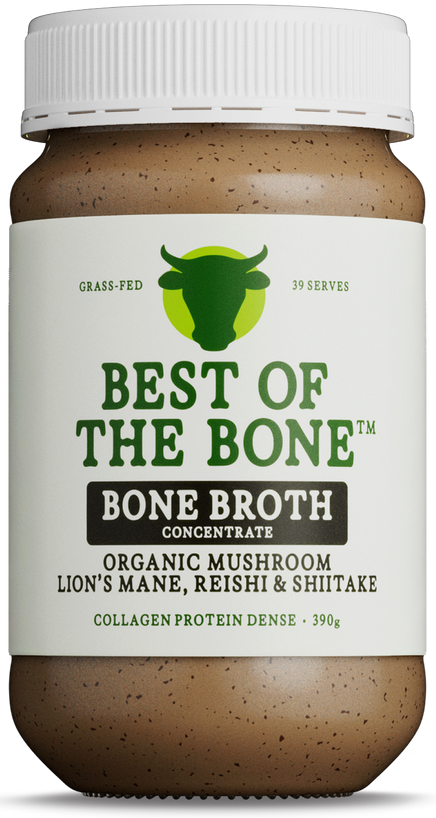
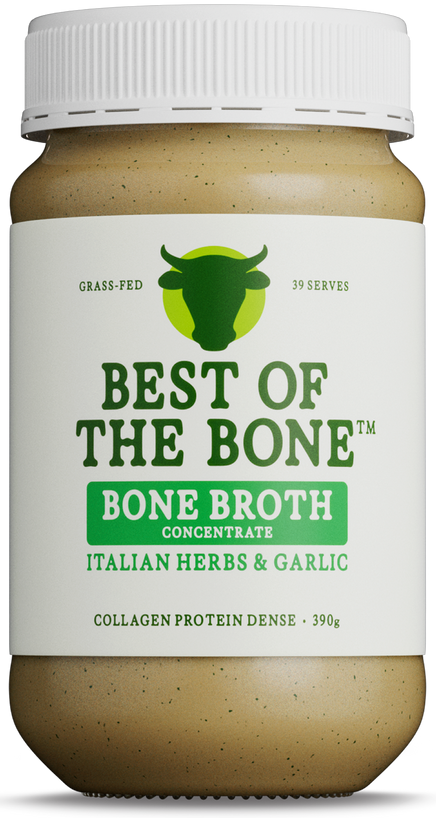
Whole foods rich in connective tissue, including slow-cooked meats and traditional bone broth, provide collagen-derived amino acids such as glycine and proline, which contribute to the body’s ongoing repair and remodelling of structural tissues.
Equally important is mechanical stimulus. Resistance training and regular load-bearing activity signal connective tissues to adapt and strengthen, supporting bone matrix integrity and cartilage resilience. In contrast, sedentary behaviour accelerates structural decline.
Metabolic health also plays a critical role, as excessive glycation and chronic inflammation compromise collagen quality over time.
The Bottom Line: Collagen Is Structural Support for Life
From bone matrix to joint cartilage, from fascia to skin, collagen forms the internal framework that allows the body to move, absorb force, remain flexible and withstand the mechanical demands of daily life. When collagen is strong and well-supported, bones are more resilient, joints glide smoothly, tissues recover more efficiently and skin maintains its integrity. When collagen declines, the effects are not confined to wrinkles, they extend to mobility, structural strength and long-term independence.
The key takeaway is simple: collagen health is whole-body health.
Supporting it depends on adequate protein intake, sufficient vitamin C and key minerals, traditional whole foods such as bone broth that provide structural amino acids, and regular resistance and load-bearing exercise to stimulate tissue remodelling. Protecting metabolic health and reducing excess sugar intake also help preserve collagen quality over time.
In this way, collagen becomes a central pillar of structural longevity. It is not about turning back the clock, but about preserving the architecture that allows us to move, function and remain independent for decades to come.
The Bottom Line: Collagen Is Ancestral Structural Nutrition
For most of human history, collagen was simply part of the food supply. When animals were eaten nose-to-tail, connective tissues, skin, cartilage and bone were routinely consumed. These foods provided the structural proteins that supported our own structure.
From bone matrix to fascia, from ligaments to skin, collagen forms the internal architecture that allows the body to move with strength and fluidity. When this connective framework is well nourished, bones remain resilient, joints move smoothly, tissues repair efficiently and skin maintains its integrity. When it declines, the consequences extend far beyond appearance, affecting mobility, recovery and long-term independence.
Supporting collagen means prioritising whole-animal foods, adequate protein, vitamin C–rich plants, mineral-dense broths and regular physical load. It means reducing excess sugar, protecting metabolic health and living in a way that signals the body to maintain its connective strength.
Collagen is not about reversing age. It is about respecting the biological architecture that allows us to remain capable, active and resilient for decades.
 Author