


Chicken Bone Broth vs. Beef Bone Broth
Chicken vs Beef Bone Broth: Differences in Nutrition, Flavour and How to Use Each
For most of human history, animal foods were prepared and eaten very differently than they are today. Bones, cartilage, skin and connective tissues were routinely simmered into broths and stews, extracting nourishment that modern diets typically overlook. These slow-cooked broths provided collagen, gelatine and structural amino acids that supported connective tissues, digestion and recovery.
Modern food preferences, however, tend to prioritise lean muscle meat while discarding many of these nutrient-dense structural tissues. Industrial processing, fast foods and time-saving cooking habits have largely removed traditional broths from everyday kitchens. As a result, many people now consume plenty of protein but far fewer of the collagen-rich nutrients that once came naturally from whole-animal cooking.
Today, bone broth is returning to the spotlight as people rediscover simple, traditional foods that help restore some of these missing nutrients.
But once people begin exploring bone broth, a common question arises: What is the difference between chicken bone broth and beef bone broth?
Two Traditional Broths: Chicken and Beef
While bone broth can be made from many animals, chicken and beef broths have historically dominated home kitchens.
Both are made using the same basic principle, slowly simmering bones, joints and connective tissue to extract flavour and nourishment. Yet each developed its own culinary role.
Chicken bone broth is typically lighter, clearer and more delicate in flavour. Because chicken bones are smaller and lighter, they release their nutrients more quickly, producing a broth that cooks faster and forms a gentle, savoury base.
For generations it has been used in lighter dishes such as soups, rice and simple stews. Warm chicken broth has also long been associated with recovery foods. It was traditionally offered during illness or fatigue because it is easy to digest, hydrating and rich in supportive amino acids.
Beef bone broth, by contrast, tends to be deeper, richer and more robust. Large marrow bones and joints require longer simmering, producing a darker broth with a fuller flavour and thicker body.
This makes beef broth particularly well suited to hearty stews, braised meats and slow-cooked dishes where a strong flavour foundation is desired.
What Makes Bone Broth So Nourishing?
Before exploring the differences between chicken and beef broth, it helps to understand what they share in common.
Regardless of whether the bones come from chicken or beef, the slow simmering process releases a similar group of nourishing compounds from bones and connective tissues.
These include:
· Collagen and gelatine
· Amino acids such as glycine, proline and glutamine
· Minerals including calcium, magnesium and phosphorus
· Natural electrolytes
Together, these compounds help support many of the body’s connective tissues, including skin, joints, tendons, ligaments and the gut lining.
Collagen is particularly important because it forms the structural framework of the body, supporting everything from joint cartilage to skin and fascia.
Bone broth is therefore less about delivering a single nutrient and more about providing a matrix of structural compounds that support tissue repair, recovery and resilience.
With that shared foundation in mind, the differences between chicken and beef broth become easier to understand.
Chicken Bone Broth: Light, Gentle and Gut-Friendly
Chicken bone broth is often the most familiar and widely used type of broth. It has a lighter flavour, cooks faster than beef broth and is extremely versatile in everyday cooking.
Chicken bones contain a mix of collagen types, including Type I, Type II and Type III collagen, which support connective tissues, joints and the gut lining.
Key benefits of chicken bone broth
1. Supports gut health
Chicken broth naturally contains glutamine, an amino acid used by the cells lining the digestive tract. These cells rely on glutamine as a fuel source, helping maintain the integrity of the gut barrier.
2. Gentle and easy to digest
Because of its lighter composition, chicken broth is often easier to tolerate during illness, recovery or periods of low appetite.
3. Hydration and electrolytes
Warm chicken broth has traditionally been used during illness because it provides fluids, minerals and easily absorbed nutrients.
4. Mild flavour and versatility
Chicken broth blends easily into soups, sauces, grains and vegetables.
Best uses for chicken bone broth
Chicken broth works particularly well for:
• Everyday soups and stews
• Cooking rice or grains
• Gut-supportive meals
• Recovery foods when appetite is low
• Light broths and sipping
Beef Bone Broth: Rich, Mineral-Dense and Deeply Nourishing
Beef bone broth has a deeper flavour and richer body than chicken broth.
It is typically made from marrow bones, knuckles and joints and is often simmered longer to extract nutrients. This produces a broth with a stronger taste and a thicker gelatine texture when cooled.
Key benefits of beef bone broth
1. Rich in gelatine
Beef bones often produce a broth with higher gelatine content, contributing to its thicker texture. Gelatine provides amino acids used by the body to support connective tissue repair and collagen synthesis.
2. Robust mineral profile
Long-simmered beef broth can extract minerals from bones and marrow, contributing to its dense nutritional profile.
3. Deep flavour
Beef broth creates a rich base for hearty dishes.
4. Ideal for slow cooking
Because of its stronger flavour, beef broth works beautifully in braises, stews and slow-cooked meals.
Best uses for beef bone broth
Beef broth is ideal for:
• Slow-cooked stews
• Rich soups
• Sauces and gravies
• Winter comfort foods
• Supporting connective tissue and joint recovery
The Best Approach: Use Both
In many traditional diets, people didn’t choose one broth over the other. They simply used whatever bones were available. This naturally created variety in collagen types, amino acids and minerals.
Rotating between chicken and beef broth can provide a broader range of nutrients and flavours. Choosing chicken broth for lighter meals and every day cooking and beef broth for richer dishes and slow-cooked recipes is a common approach.
As warming and nourishing drinks, both work equally as well.
Over time, these small habits can help increase your intake of structural amino acids and minerals that modern diets often lack.
The Bottom Line
Chicken bone broth and beef bone broth are both deeply nourishing foods with slightly different nutrient profiles and concentrations.
Chicken broth is light, versatile and easy to digest, making it ideal for everyday cooking, and immune and gut support. Beef broth is richer and more robust, providing a hearty base for slow-cooked meals, winter comfort foods and joint support.
Rather than choosing one over the other, many people benefit from enjoying both as part of a varied whole-food diet.
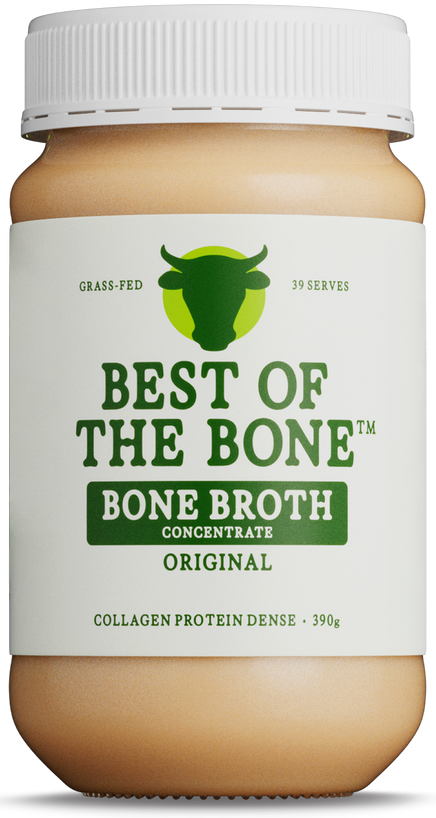
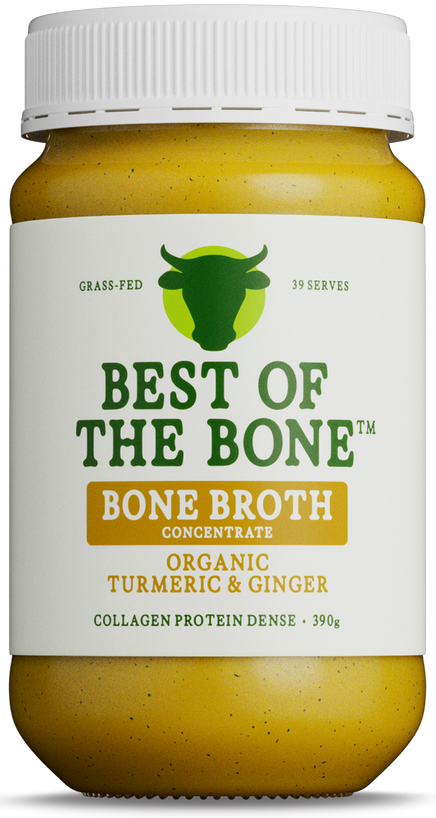
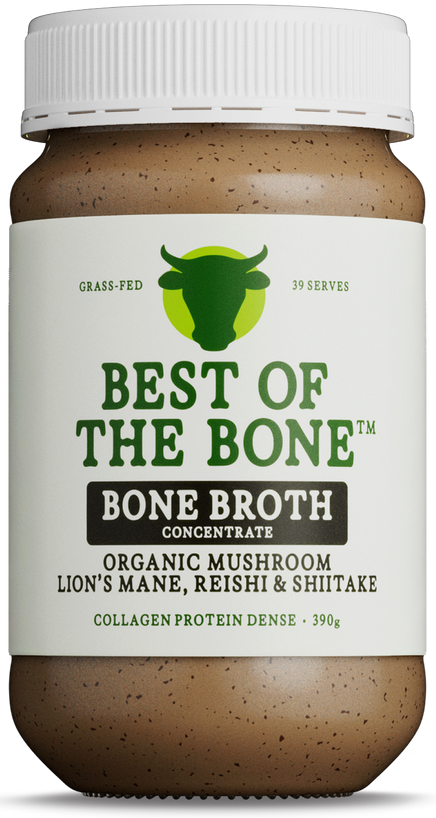
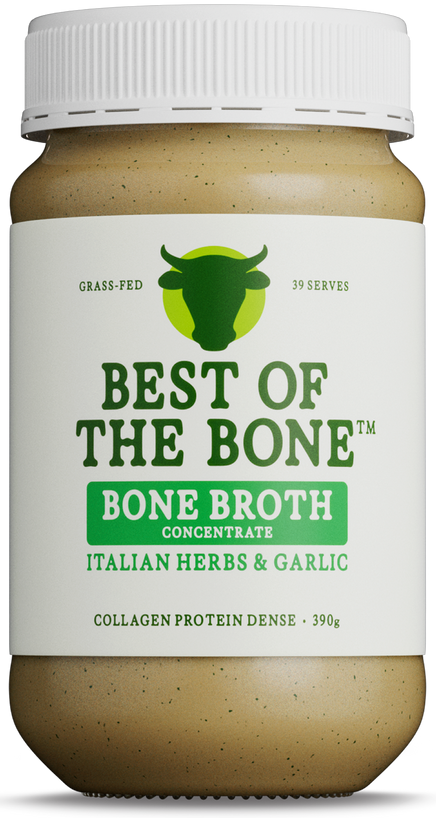
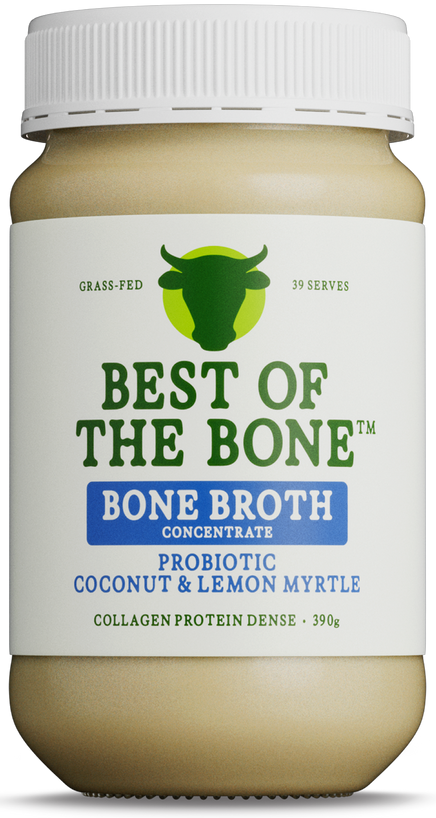
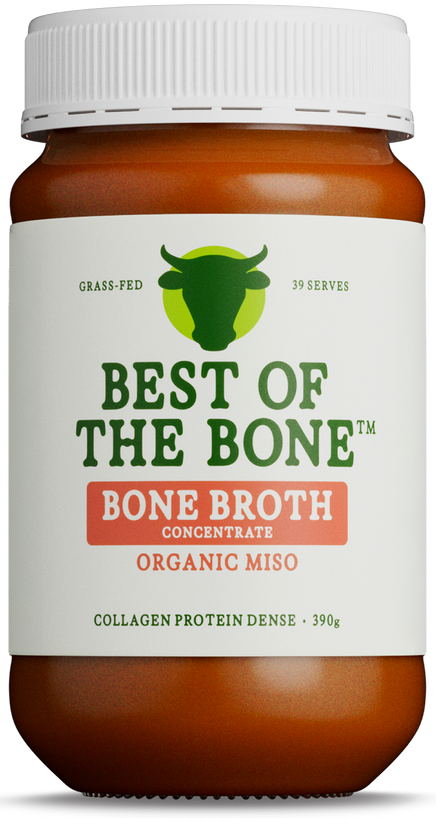
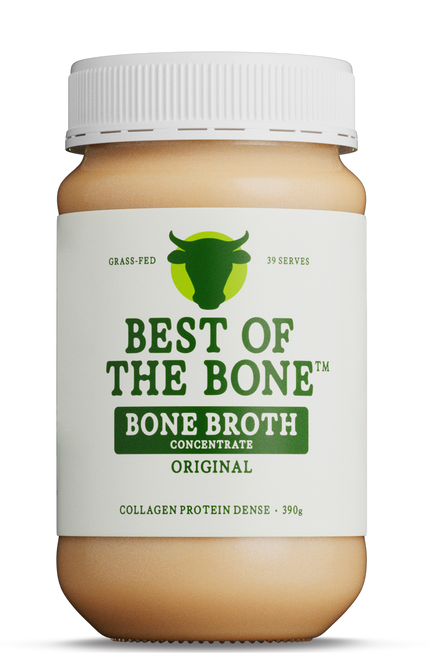
If you are concerned that you don’t have the time to make your own bone broth in your busy schedule, fear not. Today we also have the convenience of high-quality bone broth concentrates, carefully slow-simmered to maximise flavour and nutrient density, making it easier than ever to incorporate this traditional food into modern daily life.
 Author